



Real advice from people who've done the work.
Advice grounded in experience from the experts inside 13,000+ businesses.
Everything we publish comes from people who are actually doing this work. You won't find generic business advice here. You'll find specific, useful content from finance leaders, HR directors, marketing experts, and turnaround specialists who bring real experience to businesses like yours.




All Insights
Explore by Category
Fractional HR for First-Time CEOs: Your Secret Weapon for Scaling Up
Congratulations! You’ve successfully launched a business and are now at the helm as a first-time CEO. You’re probably wearing a dozen different hats, from product visionary to sales lead. As your team grows, however, a new and complex area demands your attention: human resources.
For many new CEOs, the idea of building a full-time HR department can feel overwhelming and prohibitively expensive. You might think, “Can’t I just handle HR myself?” or “Won’t a payroll provider take care of this?” While it’s tempting to put off HR, the reality is that neglecting it can lead to costly mistakes, legal risks, and a company culture that fails to thrive.
This is where fractional HR becomes your most valuable strategic partner.
What a Fractional HR Consultant Actually Does for a New CEO
Think of a fractional HR consultant not as a part-time employee, but as a seasoned executive who integrates with your team on a flexible basis. They bring a wealth of knowledge and a strategic perspective that is often a level above what a new company could afford in a full-time hire.
Here’s how a fractional HR expert can directly help you:
- Build a Solid HR Foundation : Instead of scrambling to create policies as you go, a fractional HR leader can help you design and implement essential HR infrastructure from the ground up. This includes creating a professional employee handbook, setting up compliant hiring processes, and establishing a fair performance management system. They build a foundation that scales with you.
- Mitigate Legal Risk : Employment laws are complex and constantly changing. A small mistake—like improper documentation or a misclassified employee—can lead to a serious lawsuit. A fractional HR professional ensures you are compliant with all federal, state, and local regulations, protecting your company from costly legal battles.
- Free Up Your Time : As a CEO, your time is your most precious resource. By entrusting HR functions to an expert, you can focus on core business activities like securing funding, driving sales, and setting the company’s long-term vision. This saves you from getting bogged down in administrative tasks and employee disputes.
- Attract and Retain Top Talent : In a competitive market, great talent wants to work for companies with a strong culture and clear career path. A fractional HR consultant can help you develop competitive compensation strategies, craft compelling job descriptions, and design an onboarding process that makes new hires feel valued from day one. This proactive approach helps you attract and, more importantly, retain the A-players who will fuel your growth.
- Cultivate a Healthy Culture : A great company culture doesn’t happen by accident. It’s built intentionally. A fractional HR leader can help you define your company values, create a system for employee feedback, and navigate sensitive issues like conflict resolution, ensuring your team remains engaged and productive as you grow.
Fractional HR vs. a Full-Time Hire: The Cost-Benefit Analysis
For a startup or small business, a full-time HR Director can cost upwards of $150,000 per year, not including benefits, bonuses, and recruiting fees. This is a significant investment for a company with a small head count.
With a fractional HR model , you pay only for the expertise you need, whether it’s 10 hours a month or a specific project. This cost-effective approach gives you access to the same high-level expertise at a fraction of the cost, making it the smart financial choice for a growing business.
To put it in perspective: You get the strategic guidance of a C-level executive without the full-time commitment or salary, allowing you to allocate your capital to other mission-critical areas.
How to Know When It’s Time to Hire a Fractional HR Consultant
If any of these scenarios sound familiar, it’s a clear sign you need a fractional HR partner:
- You’re starting to feel overwhelmed by HR tasks.
- You’re worried about compliance and navigating complex employment laws.
- You’re about to make your first few hires and want to get it right.
- Your company culture is a mystery to you or you’re experiencing high employee turnover.
- You need to develop a talent strategy to attract top performers but don’t know where to start.
Don’t wait until a major issue arises. Partnering with a fractional HR expert early in your journey is a proactive step that will save you time, money, and stress, allowing you to focus on what you do best: leading your company to success.
A New Era for People Strategy: Why Fractional HR Brings Unbiased Perspective
Small-company CEOs, are likely managing hiring, performance, and culture. But as their team grows, they’re faced with a new challenge: who should handle HR so the CEO can stay focused on business success? Hiring a full-time HR manager seems like the obvious choice, but it can introduce a new set of problems. An internal HR person, no matter how well-intentioned, is always subject to company politics. They report to the CEO, are peers with other leaders, and colleagues with employees.
This inherent conflict of interest can compromise their ability to be truly objective. This is where a fractional HR consultant offers a revolutionary, unbiased approach to people strategy.
The Pitfalls of Internal HR
When HR is an employee of the company, their position is intrinsically tied to its hierarchy and politics. This can lead to a few common issues:
- Reporting to the CEO : When HR’s paycheck and career advancement depends on the CEO’s approval, it can be difficult to challenge a C-suite decision. This can lead to a “yes-man” mentality, where strategic decisions don’t always prioritize the long-term health of the company’s workforce.
- Peer Relationships : It’s a tricky line to walk. An HR manager is tasked with mediating conflicts, enforcing policies, and handling sensitive issues for their peers. This can create awkward social dynamics and may lead to unconscious bias toward friends or a subconscious reluctance to address difficult situations.
- Lack of Broad Perspective : An in-house HR person is deeply embedded in your company’s culture. While this can be a strength, it can also lead to tunnel vision. They may be so used to the way things are done that they fail to see opportunities for improvement or recognize entrenched biases.
The Unbiased Advantage of Fractional HR
A fractional HR consultant is an external expert. They aren’t on your payroll as a permanent employee, and they don’t share a cubicle with your team members. This distance is their greatest strength.
- Objective and Unbiased Counsel : A fractional HR leader doesn’t report to the CEO in the traditional sense; they report to the engagement contract. Their priority is to provide objective, honest advice based on best practices, not to placate a boss. They can present an unbiased view of a situation, even if it’s not what the CEO wants to hear.This allows for a more truthful and effective resolution to people-related issues.
- Neutral Third Party : They act as a neutral third party in disputes and sensitive conversations.Employees feel more comfortable sharing concerns with an external professional, knowing their job isn’t on the line. This allows for a more open dialogue and a more equitable resolution for all parties involved.
- Wider Industry Perspective : A fractional HR consultant has worked with multiple companies across various industries. They bring a wealth of knowledge and fresh ideas to the table. They can identify the blind spots that an internal HR person might miss and introduce new, innovative strategies for talent management, compensation, and culture.
The Bottom Line: Your Best Investment
Investing in fractional HR is a commitment to a fair and transparent people strategy. It’s about bringing in a seasoned professional who can build a people-centric system that isn’t influenced by internal politics. This not only protects your company from legal risks but also fosters a culture of trust and fairness, which is the cornerstone of any successful and scalable business.
Fractional HR: A Game-Changer for Modern Businesses
In today’s dynamic business landscape, companies of all sizes are looking for ways to stay agile and competitive. One of the most significant challenges they face is managing their human resources effectively without incurring the high costs of a full-time HR department. This is where fractional HR comes in as a strategic and cost-effective solution.
What is Fractional HR?
Fractional HR, sometimes called part-time HR or HR on demand, involves hiring a highly experienced HR professional on a part-time or contract basis.1 Instead of being a permanent employee, a fractional HR consultant works for a company for a specified number of hours per week or month, or on a project-by-project basis.2 This model allows businesses to access top-tier HR expertise and strategic guidance only when they need it, paying for a fraction of the cost of a full-time HR manager.
Why Do Businesses Need Fractional HR?
Fractional HR is particularly beneficial for small to medium-sized businesses (SMBs) and startups that may not have the budget or need for a dedicated, in-house HR team. 4 Here’s why companies are embracing this model:
- Cost Savings : Hiring a full-time HR director can be expensive, with a significant salary, benefits, and overhead. 5 Fractional HR provides access to senior-level expertise at a fraction of the cost, as you only pay for the hours or services you use.
- Expertise on Demand : Fractional HR professionals often have a wealth of experience across various industries and HR functions. 7 They can provide strategic guidance on complex issues like compliance, employee relations, performance management, and talent acquisition. 8
- Scalability : As your business grows, your HR needs evolve. Fractional HR services can be easily scaled up or down to match your company’s current stage of development, whether you’re hiring your first few employees or preparing for a major expansion.
- Focus on Core Business : Outsourcing HR functions to a fractional expert allows business owners and executives to focus on their core competencies, such as product development, sales, and customer service. 10 This saves valuable time and resources.
- Improved Compliance : Staying current with ever-changing labor laws and regulations is a constant challenge. 11 Fractional HR professionals ensure your business remains compliant, minimizing the risk of costly legal issues and fines.
Key Services Offered by Fractional HR Professionals
The scope of services offered by a fractional HR consultant is broad and can be tailored to a company’s specific needs. Some common services include:
- Recruitment and Onboarding : Designing and implementing effective hiring strategies, conducting interviews, and creating a seamless onboarding process for new hires.
- Policy and Handbook Development : Creating or updating employee handbooks, company policies, and procedures to ensure they are fair, compliant, and clearly communicated.
- Performance Management : Developing performance review systems, providing guidance on employee feedback, and addressing performance issues.
- Employee Relations : Mediating conflicts, resolving disputes, and fostering a positive and productive work environment.
- Compensation and Benefits Strategy : Advising on competitive compensation structures and benefit packages to attract and retain top talent.
Fractional HR vs. Outsourced HR vs. Full-Time HR
Understanding the differences between these models is crucial for making the right decision for your business.
- Full-Time HR : An in-house employee who handles all HR functions exclusively for one company. This is ideal for large, established companies with a high volume of complex HR needs.
- Outsourced HR (PEO/HRO) : A third-party company that takes on the administrative burden of HR, such as payroll processing, benefits administration, and tax filing. 18 They often provide limited strategic guidance.
- Fractional HR : A strategic partner who provides high-level HR expertise and guidance on a flexible, part-time basis. 19 They work closely with company leadership to align HR strategies with business goals.
For many growing businesses, fractional HR offers the perfect blend of strategic support and cost efficiency, providing the expertise of a seasoned professional without the commitment of a full-time hire
Your E-commerce Business Needs a People Strategy, Not Just a Product Strategy
You’ve built a fantastic e-commerce brand. You’ve mastered product sourcing, perfected your marketing funnels, and your customer reviews are glowing. But as your online store grows, you’re not just managing a business; you’re managing people. From warehouse staff to customer service representatives, your team is the engine of your success.
However, many e-commerce leaders find themselves unprepared for the unique HR challenges that come with scaling. This is where fractional HR can be the game-changer you didn’t know you needed.
The Unique HR Challenges of E-commerce
E-commerce is a fast-paced, often seasonal business, and its HR needs are just as dynamic. Here are some common pain points that can derail your growth:
- Seasonal Staffing : Your holiday season hiring is a logistical nightmare. You need a fast, effective way to recruit, onboard, and manage a temporary workforce without disrupting your core team.
- Remote & Global Teams : Many e-commerce businesses operate with a decentralized team—customer service in one city, marketing in another, and a virtual assistant overseas. This creates a minefield of compliance and communication issues.
- High Turnover : The retail and e-commerce space often has high turnover. Without a solid retention strategy, you’re constantly spending time and money on recruiting and training new people.
- Compliance Complexity : Labor laws, especially across different states or countries, are a constant moving target. Misclassifying an employee or mishandling a termination can lead to costly legal battles.
- Culture & Engagement : How do you build a strong, cohesive company culture when many of your employees have never met in person? Without an intentional strategy, your team can feel disconnected, leading to low morale and productivity.
How Fractional HR Solves These E-commerce Problems
A fractional HR consultant is not a full-time employee; they are a strategic partner who brings a wealth of HR knowledge and experience to your business on a flexible, part-time basis. This model is perfectly suited for the dynamic world of e-commerce.
Here’s how they can specifically help your business:
- Scalable Hiring : A fractional HR expert can design and execute your entire seasonal hiring strategy. They can create a robust onboarding program for temporary staff and ensure your core team is not burdened by the administrative overload, allowing them to focus on sales and operations.
- Compliance Management : They can serve as your resident expert on labor laws, ensuring your business is compliant with regulations no matter where your employees are located. This mitigates legal risk and gives you peace of mind.
- Strategic People Planning : A fractional HR leader works with you to build a proactive strategy for attracting and retaining top talent. They can help you develop competitive compensation packages, create clear career paths, and implement employee engagement initiatives that are perfect for a remote workforce.
- Building a Connected Culture : They can help you develop and implement a company culture that transcends physical location. This can include virtual team-building activities, clear communication channels, and a system for recognizing and rewarding employees who embody your company’s values.
- Process Optimization : They can set up and manage your HR systems and processes, from payroll and benefits administration to performance reviews. This frees you up to focus on the things that drive revenue—like optimizing your website, running marketing campaigns, and sourcing new products.
The Bottom Line for E-commerce Leaders
You got into e-commerce to sell great products, not to become an HR expert. By partnering with a fractional HR consultant , you gain access to the strategic guidance of a seasoned professional without the cost of a full-time hire. It’s an investment in your people that pays off with higher employee retention, a stronger company culture, and the freedom to focus on what you do best: growing your e-commerce empire.
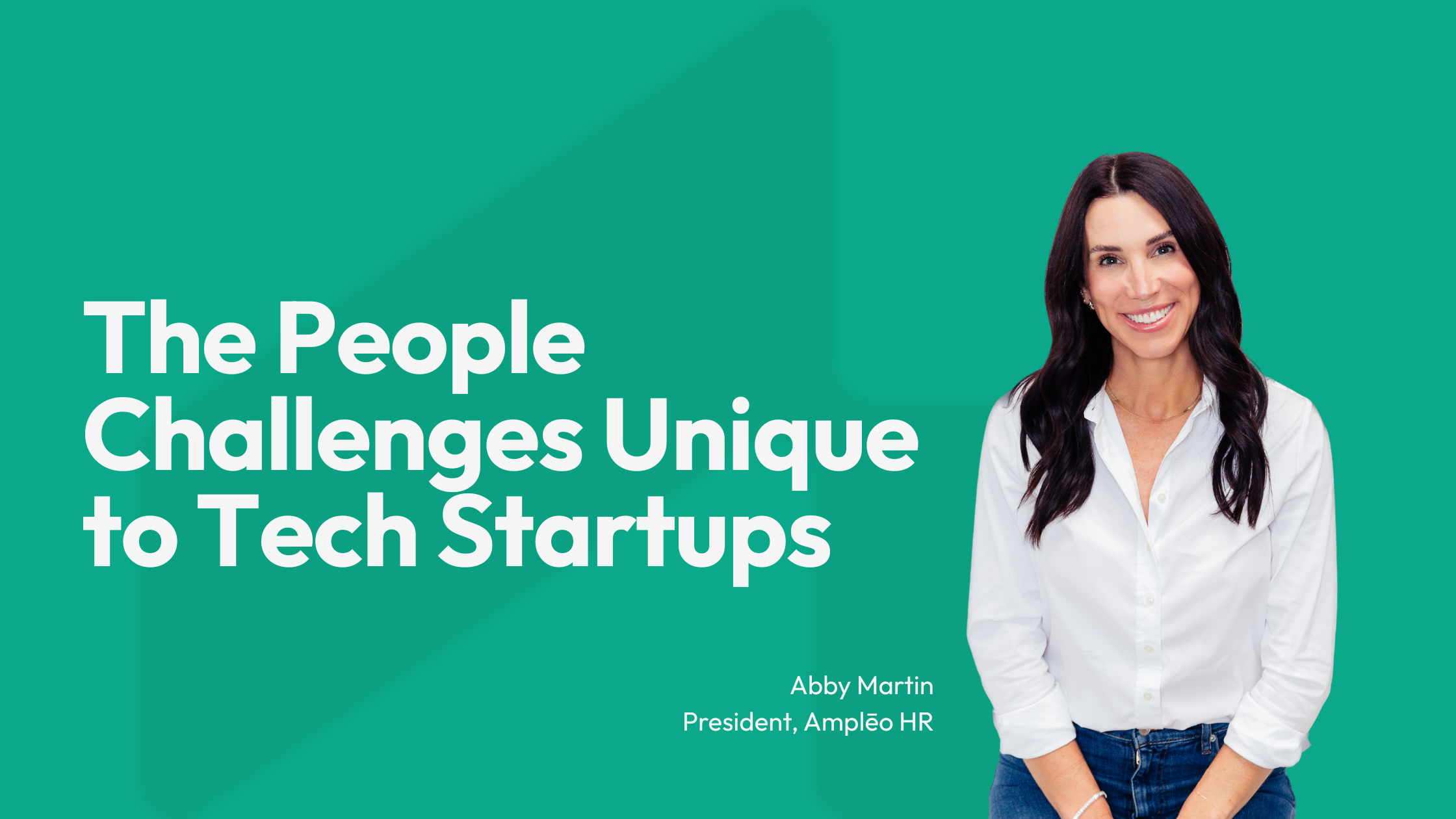
A Tech CEO’s Guide to Building a Scalable Team: Why Fractional HR is Your Best Bet
You’re a tech leader. Your world is defined by product roadmaps, agile sprints, and the next big feature release. You know that to stay ahead, you need the best and brightest minds on your team. But as you scale from a small founding team to a Series A company, the “people” part of the business gets exponentially more complex.
The challenges are unique to the tech world: securing top-tier engineers in a hyper-competitive market, navigating a remote-first culture, and building a compensation strategy that can compete with giants. You can’t afford to get bogged down in administrative tasks, but a full-time HR department feels out of reach.
This is where fractional HR becomes your secret weapon. It’s the strategic, scalable HR solution designed for the fast-paced, high-growth environment of a tech company.
The People Challenges Unique to Tech Startups
The tech industry’s rapid pace creates a unique set of HR hurdles that a generic “HR in a box” solution simply can’t solve.
- Talent Wars : The competition for engineers, data scientists, and product managers is fierce. A standard job post won’t cut it. You need a proactive, strategic approach to talent acquisition.
- Remote-First Culture : With many tech companies being remote or hybrid, you need a strategy to build a cohesive culture, manage remote performance, and ensure compliance across different states or countries.
- Equity and Compensation : You need to create a compensation and equity plan that is both competitive and fair. Getting this wrong can lead to high turnover or an inability to attract top talent.
- Rapid Scaling : You might hire 5 people one month and 20 the next. The administrative burden of onboarding, payroll, and benefits can quickly overwhelm a small team.
- Performance Management : Tech teams often work on short sprints. You need a performance management system that aligns with this agile methodology, not a rigid, annual review process.
The Fractional HR Solution: Embedded and Agile
A fractional HR consultant is the ideal partner for a tech company because they mirror your own principles: they are agile, adaptable, and focused on building a scalable, efficient system.
Here’s how they tackle the unique challenges of the tech industry:
- Strategic Talent Acquisition (Embedded Recruiting) : A fractional HR partner can act as your in-house talent acquisition lead. They don’t just post jobs; they work with your engineering and product leaders to build a sourcing strategy, craft compelling employer branding messages, and manage the candidate experience from start to finish. 6 They understand how to speak to tech talent and what they value.
- Scalable Onboarding : They can design a streamlined onboarding process that gets new hires ramped up quickly and integrated into your culture, regardless of their location. This frees up your engineers to focus on code, not paperwork.
- Competitive Compensation & Equity Planning : An HR expert can conduct market research to ensure your salary bands and equity grants are competitive. This is crucial for attracting and retaining talent who have options at much larger companies.
- Building a Productive Remote Culture : They can help you implement best practices for remote work, including tools for communication, policies for flexible work, and virtual team-building activities that genuinely foster connection.
- Agile Performance Management : They can help you design a continuous feedback loop and performance review process that fits your team’s agile workflow, focusing on goals and skill development rather than rigid, annual metrics.
Why Fractional HR is Smarter than a Full-Time Hire (for now)
Hiring a full-time HR Director can cost upwards of $150,000+ per year, plus benefits and bonuses. For a tech startup focused on runway, that’s a massive expense.
With a fractional HR model , you get access to the same high-level expertise for a fraction of the cost. You can bring on a seasoned HR leader for 10-20 hours a month, focusing on your most critical needs: hiring, compliance, and culture-building. This allows you to allocate your precious capital to other mission-critical areas like product development and marketing.
By getting a proactive HR strategy in place, you can stop putting out “people fires” and focus on what matters most: building the product and team that will change the world.
HR Due Diligence Tips
Don’t Let People Problems Derail Your Deal.
M&A success isn’t just about financials. It’s about people. And skipping HR due diligence? That’s a risk no acquirer can afford.
This guide walks you through the critical HR insights every buyer should uncover—from compliance gaps to cultural red flags—before signing on the dotted line.
Ampleo HR’s fractional HR leaders have supported countless companies through due diligence. We know what to look for so you don’t miss what matters most.
Fill out the form and we’ll send the guide straight to your inbox.

Contractor vs Employee Checklist
Think You’ve Hired a Contractor? Think Again.
Misclassifying workers is one of the most expensive mistakes a company can make, especially when the IRS gets involved. That’s why we created this simple, 20-point checklist to help you determine whether your worker is truly an independent contractor or actually an employee in disguise.
At Ampleo HR, we help growing businesses navigate compliance with confidence. Our fractional HR experts make sure you’re making the right call before the penalties roll in.
Fill out the form and get the checklist delivered straight to your inbox.

A Menu for Magic: Unreasonable Hospitality in Your People Strategy
At the heart of any great business—be it a three-star restaurant or a technology startup—is not a product, but a promise. The promise of an experience that goes beyond what is expected. This is the essence of Unreasonable Hospitality, and while you might think it’s a concept for fine dining, I’m here to tell you it’s the most powerful principle you can apply to your own team.
Just as a maître d’ ensures every guest feels seen and cared for, you, as a CEO, must make sure every employee feels the same. But here’s the truth: you can’t be in the kitchen and the dining room at the same time. You can’t run a business and give every single person the bespoke attention they deserve.
This is why you need a fractional HR consultant—your new partner in creating Unreasonable Hospitality for your people.
The Two-Dollar Hot Dog of HR
The world-class experience isn’t about the most expensive ingredients; it’s about the gesture that feels personal, unexpected, and truly special. It’s the two-dollar hot dog served in a four-star restaurant to a guest who simply mentioned they’d never had one.
In your business, the equivalent of that hot dog is a “people moment” that shows you are truly listening. It’s a beautifully designed onboarding process that makes a new hire feel like they’ve found their professional home. It’s a performance review system that feels like a conversation about growth, not a judgment. It’s a benefits plan that is truly a gift, not just a line item.
A fractional HR consultant doesn’t just manage forms and policies; they are your “Dreamweaver,” tasked with finding and creating these moments of unreasonable hospitality for your team.
- They Listen to the Subtext: An in-house HR person might hear an employee complaint and think, “This is a problem to be solved.” A fractional HR professional listens for the subtext—the unsaid frustration, the quiet longing for connection or purpose. They use that insight to create a solution that gives more than is expected.
- They Are Obsessed with the Small Stuff: The “white glove service” in HR isn’t just about big gestures; it’s about the details. It’s the clarity in a policy, the kindness in a termination, the intentionality behind every single email. They understand that the way you do one thing is the way you do everything, and they ensure every interaction, no matter how small, is handled with care.
- They Make It Cool to Care: For a business to be great, every single person on the team has to be bought in. A fractional HR expert helps you build a culture where employees feel so cared for that they, in turn, feel compelled to care for each other. They create a system where “unreasonable hospitality” becomes the shared language, where people are excited to surprise and delight their colleagues.
The Long-Term Return on Generosity
The reasonable approach to HR is to do the bare minimum—to be efficient, to be compliant, to be “corporate-smart.” But that approach gets you an efficient and compliant team, nothing more.
The unreasonable approach, the one that a fractional HR consultant embodies, is to see people as the most valuable part of your business. It’s to invest in them with the same creative passion you invest in your product.
This isn’t about being wasteful; it’s about being strategic. When you give your team more than they expect, they will give you more than you could ever imagine. They will find the “third option” in a difficult problem. They will go above and beyond for a customer.1 They will create the kind of magic that turns a good business into a legendary one.
Don’t settle for “good enough” HR. Choose to be unreasonable. Choose to give your people more than they expect, and watch them do the same for your customers.

Scaling with Intention: How Smart Capital Allocation Powers Growth
When I sit down with founders and business leaders, most of them already have a solid strategy. They know where they want their company to be in the next five years. What they’re missing is a reliable way to execute that strategy, and more often than not, the gap comes down to how they’re allocating capital.
As a finance partner to small and midsize businesses, I’ve seen firsthand that capital allocation is about more than just budgeting: It’s about making the strategic choices that will lead to growth. Done well, capital allocation becomes the engine behind customer acquisition, technology implementation, and long-term scalability. Done poorly, it leads to wasted spend, frustration, and missed opportunities.
Why Capital Allocation Is the Starting Point
In a growing company, capital is limited. You have a limited number of dollars to invest—maybe it’s $300K, maybe it’s $3M. And once you start growing, every department has a plan for how it wants to use that capital: Sales wants to hire, marketing wants to start a new marketing campaign, operations needs a new system, etc. That’s where finance plays a critical role—not just in tracking spend, but also in helping the business make smart decisions about where to put its money.
We do this through long-term forecasting, ROI modeling, and scenario planning. One of the most important tools I use with clients is a three-statement model that gives us visibility into future cash flows. That’s the foundation. From there, we can evaluate potential investments based on return, payback period, and alignment with long-term goals.
However, the truth is that even the best financial models can’t replace strategic judgment. I’ve seen companies choose the wrong customer to go deep with, allocate capital to flashy software with no real impact, or bring on consultants that overpromise and underdeliver. The dollars get spent, but the business doesn’t move forward.
Customer Acquisition: Don’t Just Spend—Optimize
Every business needs more customers to grow. But not every dollar spent on marketing is a good investment. In fact, it’s shockingly easy to waste money chasing leads that don’t convert or channels that don’t scale.
That’s why I encourage every client I work with to get disciplined about CAC (customer acquisition cost) and LTV (lifetime value). If we don’t know what it costs to acquire a customer or how long they stay and how much they spend, we can’t make smart, repeatable investment decisions.
Finance and marketing teams have a great opportunity to work hand in hand in identifying the right metrics and adjusting quickly when things aren’t working. I often recommend regular meetings to review the sales funnel, campaign performance, and channel attribution data to identify what’s actually driving ROI. When both teams are aligned, it becomes easier to streamline spend, remove bottlenecks, and allocate money to the most effective strategies.
The worst thing a business can do is assume that growth just means “spending more.” In reality, growth means spending smarter.
Technology Implementation: The Silent Drain on Capital
Tech upgrades often end up costing far more than SMBs anticipate. I’ve seen so many businesses invest in new systems—such as CRMs, billing tools, and analytics platforms—thinking, “We hired a consultant. We’re covered.” But when go-live day arrives, the reality is nothing works. Payments don’t process. Invoices go out wrong. Customers get confused. Suddenly, you’ve got a cash-flow crisis and a frustrated team.
The problem isn’t tech investment itself—it’s that the business didn’t allocate capital to implementation oversight. Most businesses don’t budget for the hands-on coordination required to ensure success. They don’t assign someone internally to manage the process. They don’t run full sandbox tests. And they almost never build in time for things to go sideways—which they almost always do.
If you’re adopting a new system, assign a clear internal owner (finance, ops, or IT) who can oversee the project, manage external consultants, and pressure-test assumptions. They should be asking the hard questions:
- What happens if payments don’t post?
- Will this data mapping disrupt downstream reporting?
- What’s our backup plan?
Implementation timelines and budgets are notoriously underestimated. If a vendor tells you three months, plan for nine. If you’re not actively managing the process, you’re not in control of the outcome—and that’s when costs spiral and chaos creeps in.
Successful implementation isn’t just a line item in your capital plan—it’s an operational commitment. And without the right people, time, and oversight in place, even the best software can become a costly distraction instead of a growth engine.
What This Means for Finance Leaders
As a CFO, my job isn’t to say yes or no to spend. My job is to help the business make decisions that move us toward our goals—decisions guided by strategy but informed by data.
That means presenting options clearly: “If we invest here, here’s the likely return. If we invest there, here’s the risk. If we don’t invest at all, here’s what we lose.”
It’s not about the biggest ROI on paper. Sometimes, a foundational system with a longer payback is more valuable than a short-term win. But we have to be clear-eyed, disciplined, and aligned as a leadership team.
Capital allocation isn’t a finance task—it’s a strategic function. If you want to scale your business, don’t just focus on the vision. Focus on where the dollars are going. Because where you invest tells the real story of what matters to your business.
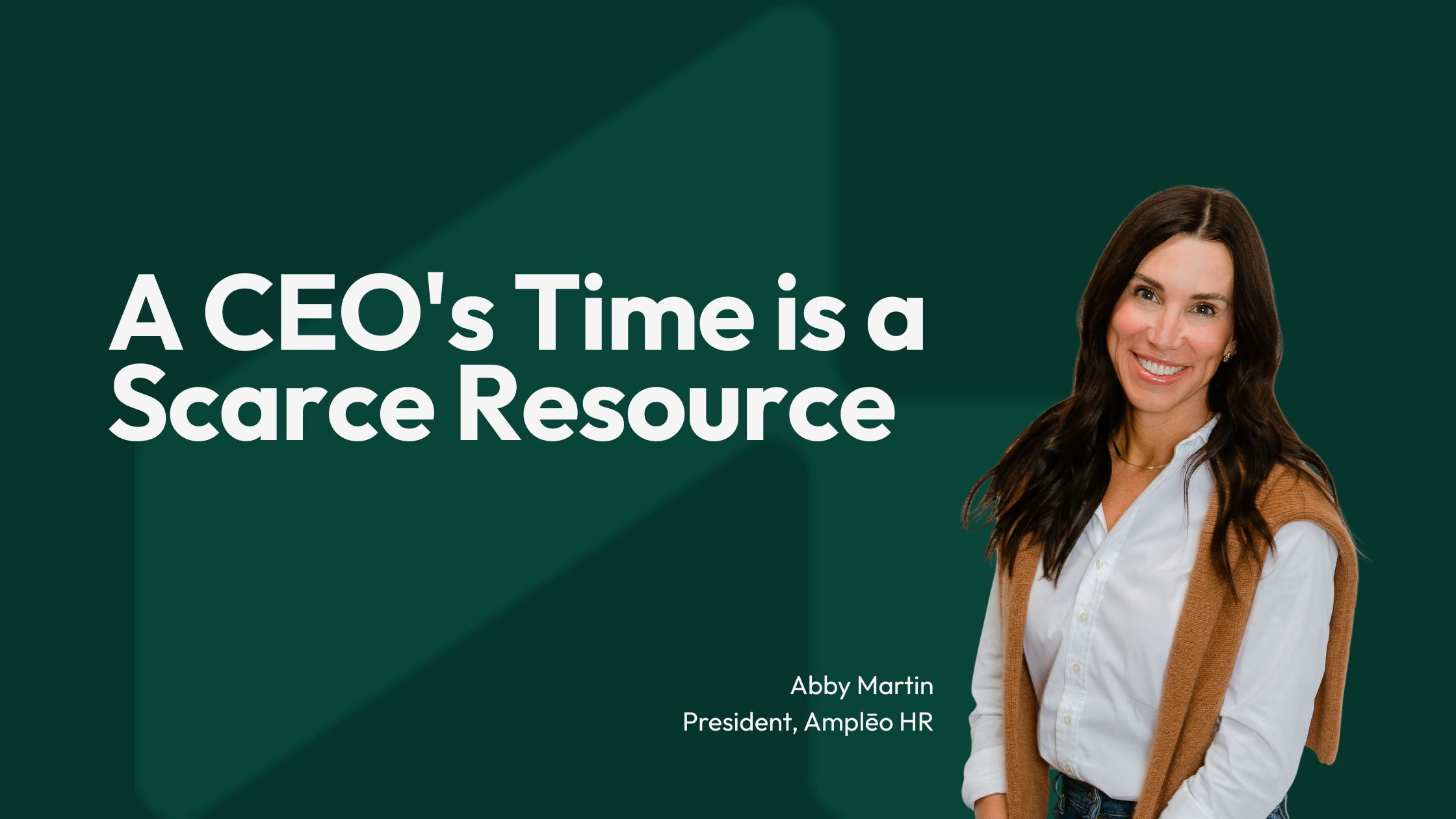
Building Your “People Scaffolding”: Why CEOs Need Senior HR Support
As a CEO, you understand the power of a solid foundation. Just as a skyscraper requires meticulously designed scaffolding to rise safely, your business needs a strong “people scaffolding” to scale effectively. This isn’t just about hiring a few employees; it’s about building the systems, processes, and culture that will support your team’s growth for years to come.
For many early-stage companies, however, this critical HR work is either ignored or delegated to a junior employee who lacks the experience to do it right. The result? A weak foundation that leads to costly errors, legal risks, and high employee turnover.
This is why fractional HR is the most strategic investment a CEO can make. It gives you access to the senior-level HR support needed to build that people scaffolding without the cost of a full-time executive.
The Problem: A CEO’s Time is a Scarce Resource
You’re the visionary, the leader, and the final decision-maker. Your time is best spent on high-impact activities: securing funding, defining product-market fit, and closing major deals. You don’t have the time to craft an employee handbook, research benefits plans, or create a performance review system from scratch.
This is the very definition of a “strategic gap.” You know the work needs to be done, but you can’t do it yourself, and you can’t afford to hire a full-time Chief People Officer with a six-figure salary and benefits.
The Solution: Senior HR Expertise on Demand
A fractional HR consultant is a seasoned HR executive who has already built people strategies for multiple companies. They bring a wealth of knowledge and a C-level perspective to your business on a part-time basis. They don’t just put out fires; they build the systems that prevent them.
Here’s how they help you build a solid people scaffolding:
- Foundational Frameworks
: They work with you to design and implement essential HR infrastructure, including:
- A comprehensive employee handbook that sets clear expectations.
- A streamlined onboarding process that gets new hires off to a great start.
- A performance management system that provides continuous feedback and aligns with your business goals.
- Risk Mitigation : A senior HR professional knows where the landmines are. They can audit your current practices, ensuring you are compliant with all labor laws and regulations. 7 They build a system that protects your company from costly legal risks down the road.
- Talent Strategy : They help you move from reactive hiring to proactive talent management. They can help you define a career path for your employees, create a competitive compensation structure, and develop a retention strategy that keeps your top performers engaged and happy.
- CEO Coaching : They serve as your trusted advisor, coaching you through difficult employee situations and providing strategic guidance on everything from managing a remote team to fostering a strong company culture. They give you the confidence to lead your people effectively.
The Long-Term ROI of Senior HR Scaffolding
For a company on the rise, this isn’t about saving money—it’s about making a smart investment. By bringing on a senior fractional HR expert, you are:
- Accelerating Growth : You’re building a foundation that can support rapid scaling without breaking.
- Increasing Efficiency : You’re freeing up your own time and the time of your team to focus on core business functions.
- Enhancing Company Value : You’re creating a professional, well-managed company that is more attractive to future investors or acquirers.
Your people are your greatest asset. By investing in the right “scaffolding” early on, you ensure your business is built not just for today’s success, but for sustained, long-term growth.
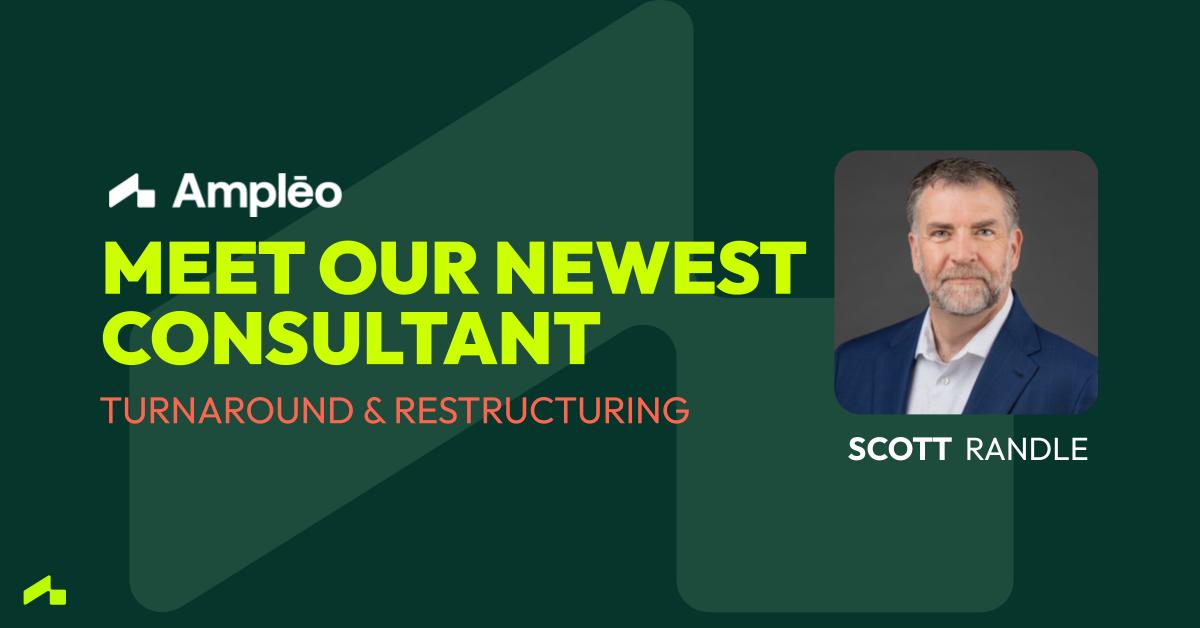
Ampleo Expands Turnaround & Restructuring Practice with Appointment of Scott Randle
Scott brings an insider’s understanding of creditor dynamics built over more than 25 years working in banking, restructuring and risk management.
Salt Lake City, UT—May 7, 2025—Ampleo, a leading provider of strategic finance, accounting and operational consulting services, is proud to announce the appointment of Scott Randle as a Turnaround Consultant in the firm’s Turnaround & Restructuring practice.
Scott joins Ampleo with more than 25 years of experience in banking, restructuring and risk management. He brings a strong track record of working with companies of all sizes — ranging from family-run operations to multinational corporations — who are facing financial distress or operational challenges.
“Scott’s ability to guide organizations through moments of uncertainty and transformation is second to none,” said Matt McKinlay, Founding Partner, Turnaround and Restructuring at Ampleo. “He’s a trusted leader who knows how to identify the root causes of financial instability, build consensus among stakeholders and craft practical, lasting solutions.”
A core strength Scott brings to Ampleo is his deep insight into the lender’s perspective. Having spent most of his career in banking, he brings an insider’s understanding of creditor dynamics—an invaluable asset in turnaround situations where financing relationships are often the most fragile.
“I’m excited to join Ampleo and bring a lender-informed perspective to client engagements,” said Scott. “I believe in honest conversations, practical solutions and the power of partnership to move businesses forward — even in the toughest of circumstances.”
Scott has worked across diverse industries, including manufacturing, energy, logistics, real estate, agriculture, healthcare and more. His approach is grounded in transparency, trust and a relentless focus on results.
With Scott’s addition, Ampleo continues to strengthen its mission to serve businesses at every stage of their journey — from growth to recovery.
To learn more about Ampleo’s Turnaround & Restructuring services, visit Ampleo.com.

Three HR Blind Spots That Can Stall Company Growth
Companies experiencing growth are on an exciting journey, but as part of that journey, many businesses tend to overlook critical human resource (HR) functions such as early implementation, failing to prepare for scalability, and prioritizing immediate needs over long-term vision.
Having worked in HR for nearly 20 years, I’ve seen the impact these missteps can have on businesses, so let’s check each of these blind spots to help you build a more resilient and future-proof organization.
Blind Spot #1: The High Cost of Deprioritizing HR
Many companies experiencing growth tend to view HR as something that can be handled by a jack of all trades, with many leaders taking it on themselves as an administrative function or delegating it to someone without specialized expertise in an effort to minimize costs. In my experience, this approach is a gamble, and the risks are higher than you might think.
The Risks of Waiting to Hire HR
All too often, companies don’t realize the benefits of implementing strategic HR involvement until after they’ve surpassed an inflection point that signals rapid growth, missing the opportunity to have a plan in place ahead of transformative milestones and increasing the following risks:
- Reactive Problem-Solving, such as quickly hiring someone with only the skills needed to address your immediate needs, moving someone into the position in the midst of a crisis, or outsourcing to a professional employer organization (PEO).
- Decreased Productivity due to those in leadership roles needing to focus on tasks that could be handled more efficiently and effectively by a dedicated HR professional.
- Missed Opportunities for Acquisition and Retention because business elements that are important to scaling—such as employer branding, culture building, and organizational design—are often neglected.
- Expensive Mistakes, including legal or compliance missteps, poorly negotiated benefits, and the implementation of systems or policies that lack the potential to grow at scale.
When to Bring in a Dedicated HR Leader
While many companies can “get by” without a dedicated HR leader in the initial stages, the ideal time to bring someone in is before any period of rapid growth, such as between funding rounds or when the volume and complexity of HR tasks start to outgrow your current capacity.
Once in place, a dedicated HR leader should focus on a number of priorities, which may include the following:
- Developing and implementing effective hiring processes and practices—including onboarding—which can have a significant impact on employees’ ability to succeed, their feelings about the company, and how long they’ll stay.
- Tracking employee performance with a system for providing and receiving feedback.
- Establishing a clear compensation policy that ensures that you’re paying competitively.
- Making sure that the company is compliant in all areas and protected from legal exposure.
Common Misconceptions About HR
Perception: HR is a purely administrative role that anyone can handle. Reality: Strategic HR is a value driver that directly impacts business outcomes through talent acquisition, retention, and productivity.
Perception: HR is a cost center, not a revenue driver. Reality: Effective HR practices can significantly impact revenue by attracting and retaining top talent, improving employee productivity, and reducing turnover costs.
Perception: HR is only necessary when a company is “big.” Reality: Building a solid HR foundation is about proactive problem-solving rather than reactive damage control and is crucial for effective scaling.
Blind Spot #2: Failure to Prepare for Scalability
While company growth is exciting, scalability can also present unique challenges. Considering a recent Gartner survey found that three out of four HR leaders believe those in leadership roles are already overwhelmed, this is especially true if you don’t have the right systems in place, as replacing—or worse yet, initializing—them in the midst of growth can result in unnecessary stress, inefficiency, and mistakes.
Setting the Stage for Scalability Success
One mistake companies can make is implementing systems that address just one point of the employee lifecycle, resulting in a disconnect that can be frustrating for everyone, so it’s important to consider the specific needs of your business. In my experience, the key is to think about the entire employee lifecycle—from recruitment to offboarding—from not only the perspective of your current needs but also where you project the company to be and establish these systems early on:
- Applicant Tracking Systems that streamline and manage candidate information.
- Human Resources Information Systems that work as a centralized database for all employee data, including personal information, pay details, and benefits enrollment.
- Payroll Processing Systems that automate calculations, tax deductions, and payments.
- Learning Management Systems that foster employee training and development.
Phased Implementation of Systems
While there are systems designed specifically for small businesses, you may find that you need to change or add entirely new systems as you experience growth. While some options provide additional features at an extra cost, it’s rare to find one system that does everything exceptionally well, so it’s best to prioritize those with the functions that are most important today and can also scale when needed.
- Needs Assessment: Establish your current and future needs.
- User Experience: Choose systems that are intuitive and easy for employees to use.
- Budget Allocation: Consider it an investment in employee engagement and productivity.
- Change Management: Develop a comprehensive plan to communicate any changes to employees, provide training, and address any concerns.
- Progressive Approach: Break down the process into manageable chunks, focusing on the most critical functions first and gradually rolling out additional features as needed.
Key Questions to Ask When Choosing HR Systems
- Can the system support all stages of the employee lifecycle?
- Does the system address the needs most critical to your business?
- Is the system scalable or capable of integrating with other systems later?
The Unseen Impact of Preparing for Scale
As recently as 2023, Gartner found that more than 40 percent of HR leaders reported they did not have a definitive future of work strategy, which, in my experience, tends to lead to an inability to align HR strategy with an organization’s long-term goals, opportunities, and even obstacles, and ultimately result in higher employee disengagement and turnover.
Tips to Prevent Employee Disengagement
- Keep employees informed and provide regular updates.
- Implement programs to recognize and reward employee contributions.
- Design a performance management system that motivates and engages employees.
- Eliminate cumbersome processes and tools that waste employees’ time.
Blind Spot #3: Today’s Urgency vs Tomorrow’s Vision
Startups are often torn between balancing their immediate need for execution and the long-term leadership required for a growing business. This is a common blind spot I’ve observed: Leaders focus on finding someone who can roll up their sleeves and deliver results today but lack the necessary skills to scale with the company, often resulting in their role outgrowing them.
How to Avoid Outgrowing Hires
In order to effectively hire based on both your immediate needs and your long-term vision, you need a clear understanding of what you want your destination to be. In most cases, setting a 10-year plan is fun but unrealistic, so consider the following questions from the perspective of the next three to five years and revisit them regularly as your business evolves:
- What does success look like for your company?
- What will your current roles look like at that point?
- Do your current employees match those roles or have the potential to match them?
- Where are the gaps you’ll need to fill at that point?
What to Do When a Role Outgrows a Person
According to a 2024 report from TestGorilla, more than 80 percent of employers have embraced skills-based hiring, but even if you do everything you can to hire for scale, your workforce plan is never static. Times of increased or decreased business growth, changes in business needs, and even staff mentality can result in the difficult decision to part ways with someone who is no longer the right fit.
Recognizing the Signs of Misalignment
- Stalled Growth: This can be either individually or by team contributions.
- Lack of Strategic Thinking: An inability or unwillingness to correlate current actions with future goals, preventing them from contributing to the company’s next phase.
- Resistance to Change: Failure to embrace new or changing tools, operations, or policies aligned with the future of the company.
Taking Action for a Strategic Separation
- Provide Honest Feedback: Address your concerns with the employee directly, allowing them to explain, recognize their own limitations, and have the opportunity to improve.
- Explore Alternatives: Determine if there may be a different position that is a better fit for both them and the company itself.
- Act in the Company’s Best Interest: While the decision to part ways can be difficult—especially if someone helped grow the business to its current point—any decisions should be aligned with the long-term success of the company.
- Seek Expert Guidance: If possible or necessary, engage with HR professionals or consultants experienced in leadership transitions.
A Case for Planning Ahead
I remember a situation where a company let go of someone in a leadership role without a clear succession plan, resulting in another employee stepping into a role they weren’t quite ready for due to funding restraints. While the person originally placed in the role was a great fit at the time, they lacked the skills for the company’s current needs, demonstrating the importance of having a plan and being confident in it before making such a change. Strategic workforce planning helps prioritize critical roles and ensures that you’re hiring for the right needs at the right time.
Checking Your HR Blind Spots Before the Next Phase
By proactively investing in strategic HR, implementing scalable systems, and hiring with the future in mind, companies can better navigate the natural challenges that come with growth, address potential pitfalls, and transform HR from a reactive function into a proactive driver of organizational value. Schedule a call with Ampleo today to talk through where you could have HR blindspots.
You've Got the Vision.
We've Got the Fractional
Team to Build It.
A fractional CFO who knows your numbers. A fractional CMO driving your pipeline. An HR leader building your people systems. Sales tax specialists keeping you compliant. Valuation experts ready when you need them. All embedded. All executing. All backed by Ampleo Intelligence, our AI platform.

You've Got the Vision.
We've Got the Fractional
Team to Build It.
A fractional CFO who knows your numbers. A fractional CMO driving your pipeline. An HR leader building your people systems. Sales tax specialists keeping you compliant. Valuation experts ready when you need them. All embedded. All executing. All backed by Ampleo Intelligence, our AI platform.
You've Got the Vision.
We've Got the Fractional
Team to Build It.
A fractional CFO who knows your numbers. A fractional CMO driving your pipeline. An HR leader building your people systems. Sales tax specialists keeping you compliant. Valuation experts ready when you need them. All embedded. All executing. All backed by Ampleo Intelligence, our AI platform.
You've Got the Vision.
We've Got the Fractional
Team to Build It.
A fractional CFO who knows your numbers. A fractional CMO driving your pipeline. An HR leader building your people systems. Sales tax specialists keeping you compliant. Valuation experts ready when you need them. All embedded. All executing. All backed by Ampleo Intelligence, our AI platform.